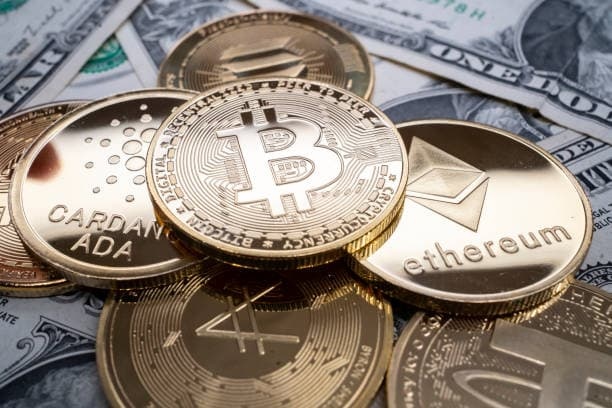
Bitcoin continues to dominate the global financial conversation, and one of the most searched questions in 2026 remains: who owns the most bitcoin. With increasing institutional adoption, government participation, and early whale holdings, Bitcoin ownership is far more concentrated than many people realize.
This latest data-driven breakdown reveals the biggest Bitcoin holders worldwide and what their dominance means for the crypto market.
The Largest Bitcoin Holder in the World
At the very top of the list is Satoshi Nakamoto, the anonymous creator of Bitcoin.
Recent estimates suggest Satoshi controls around 1.1 million BTC, making this the largest Bitcoin stash in existence.
These coins have never been moved since the early mining days, which makes them both legendary and strategically important. If they were ever transferred, it could trigger massive market reactions due to their size.
Institutional Giants Now Control Huge Bitcoin Reserves
In modern markets, institutional players are becoming dominant answers to who owns the most bitcoin.
One of the biggest corporate holders is MicroStrategy, which has accumulated hundreds of thousands of BTC as part of its long-term treasury strategy.
Other major institutional holders include:
- ETF issuers like BlackRock and Fidelity
- Public companies using Bitcoin as a hedge
- Investment funds holding BTC for clients
These entities have transformed Bitcoin from a retail-driven asset into a global institutional investment class.
Crypto Exchanges: The Hidden Mega Wallets
Another major category in understanding who owns the most bitcoin is cryptocurrency exchanges.
Platforms like Coinbase and Binance hold massive Bitcoin reserves in custodial wallets.
However, it is important to note:
- These BTC belongs to users
- Exchanges act as custodians
- Their wallets represent aggregated customer balances
Even so, their influence on liquidity and market movement is extremely high.
Governments Holding Large Bitcoin Reserves
Governments have also become significant players in Bitcoin ownership.
The United States, China, and other nations hold Bitcoin primarily through seizures and enforcement actions.
These holdings may not always be publicly disclosed in detail, but they are large enough to influence market sentiment when moved or auctioned.
Bitcoin Whales and Early Investors
Beyond institutions and governments, private “whales” remain a powerful force.
These include early adopters, billionaire investors, and crypto pioneers who accumulated Bitcoin when it was still inexpensive. Their wallets often contain thousands or even tens of thousands of BTC.
Whales can influence short-term market direction because:
- Large buys can trigger bullish momentum
- Large sells can create sharp price drops
- Their activity is closely tracked by analysts
Why Bitcoin Ownership Is So Concentrated
Latest data shows that Bitcoin ownership is not evenly distributed. A small group of entities controls a large portion of supply, including:
- Early miners and creators
- Institutional investors
- Crypto exchanges
- Governments
- High-net-worth individuals
This concentration is one of the most important factors in understanding market behavior today.
Why It Matters for the Future
Knowing who owns the most bitcoin is important because it affects:
1. Market Stability
Large holders can influence price direction through major transactions.
2. Supply Scarcity
Millions of BTC are locked in long-term wallets or lost forever, increasing scarcity.
3. Institutional Influence
Growing corporate and ETF holdings show Bitcoin is becoming a mainstream asset.
4. Volatility Risk
Concentrated ownership can still lead to sudden market movements.
Insights from orangestandard.com
For deeper analysis and ongoing updates about Bitcoin distribution, orangestandard.com provides valuable insights into wallet movements, institutional accumulation, and whale activity.
By tracking who owns the most bitcoin and how ownership shifts over time, orangestandard.com helps investors understand market structure and make more informed decisions.
Final Thoughts
So, who owns the most bitcoin worldwide today?
The answer starts with Satoshi Nakamoto, followed by major institutions like MicroStrategy, large exchanges such as Binance and Coinbase, government holdings, and influential whales.
Latest data confirms one clear trend: Bitcoin is becoming more institutionalized while still maintaining a base of individual holders.